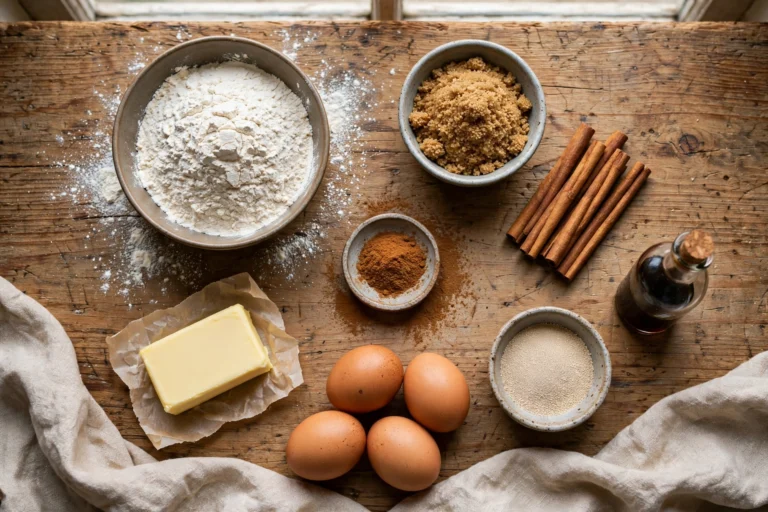
What Makes These Fall Simmering Pot Recipes the Best Autumn Fragrance?
Picture this. You push open your front door on a cool October afternoon, and a wave of warm cinnamon, sweet apple, and bright orange wraps around you like a blanket. No candles were burning. No plug-in scents humming in the corner. Just a simple pot of water, fruit, and spices simmering gently on your stove. That is the magic of fall simmering pot recipes, and it is the easiest way to make your home smell like the season itself.
I stumbled onto simmering pots years ago when a friend served tea at her house, and I walked in convinced she had been baking all morning. She laughed and pointed at the little pot on her back burner — just orange slices, cinnamon sticks, and cloves in hot water. The smell had filled every room of her house.
What makes these fall simmering pot recipes the best autumn fragrance? First, the scent is real — actual fruit and spice, not a synthetic copy, carried into the air by steam in a way no candle can match. Second, they are cheap: one pot of ingredients costs less than a single fancy candle and you can reuse the blend for days. Third, they are completely customizable — dial up the sweetness with apple and vanilla, push the spice with extra cloves, or go bright with more citrus.
In this guide, I will walk you through everything: the exact ingredients and quantities for my favorite base blend, step-by-step instructions, pro tips for a long-lasting scent, the mistakes most beginners make, five tested variations, and how to store and reuse your blends. Let us fill your home with the smell of fall.
What Is a Simmering Pot (Stovetop Potpourri)?
A simmering pot, also called stovetop potpourri, is exactly what it sounds like: a pot of water filled with fragrant ingredients — fruit, spices, and herbs — kept at a low simmer on your stove so the steam carries their scent through your home. You never eat or drink it. Think of it as a homemade air freshener that uses heat instead of chemicals.
Cooks have done this for centuries — simmering citrus peels and spices made the whole kitchen smell wonderful, and the idea stuck.
Here is the basic idea. You fill a pot with water, add your chosen blend of ingredients, bring it to a gentle simmer, and then turn the heat down low. As the water steams, it pulls the fragrant oils out of the fruit and spices and releases them into the air. A single pot can scent a whole floor of your house for hours. When the water level drops, you top it up. When you are done, you turn off the heat and let it cool.
One important note: a simmering pot is for fragrance only. Nothing in it is eaten or drunk, so you do not need perfect produce — the bruised apple you were not going to eat anyway is perfect for the pot.
Why Are Fall Simmering Pot Recipes So Popular Right Now?
Walk through any social media feed in October and you will spot steaming pots of orange slices and cinnamon sticks everywhere. Fall simmering pot recipes have exploded in popularity, and it is not hard to see why.
For one thing, people are tired of overpowering artificial scents. Many of us want our homes to smell cozy without a chemical cloud. A simmering pot gives you that with ingredients you can name — literally, you put them in the pot yourself. There is something reassuring about knowing every single thing in the air.
Cost plays a big role too. A good fall candle can cost twenty or thirty dollars; a simmering pot blend costs a few dollars in fruit and spices and scents your home for days.
Finally, simmering pots fit perfectly into the slow-living, cozy-home movement. They pair with chunky blankets, warm lighting, and rainy-day baking. They make guests feel welcome the second they walk in. And they are practical for real life: hosting Thanksgiving, freshening a stuffy house before guests arrive, or just making a gray November afternoon feel warmer. No wonder they are everywhere right now.
What Ingredients Do You Need for Fall Simmering Pot Recipes?
Here is my go-to base blend — the one I return to every single fall. These quantities fill a medium saucepan (about 3 quarts) and scent a home for hours. Think of this as your foundation; the five variations later in this guide build on it.
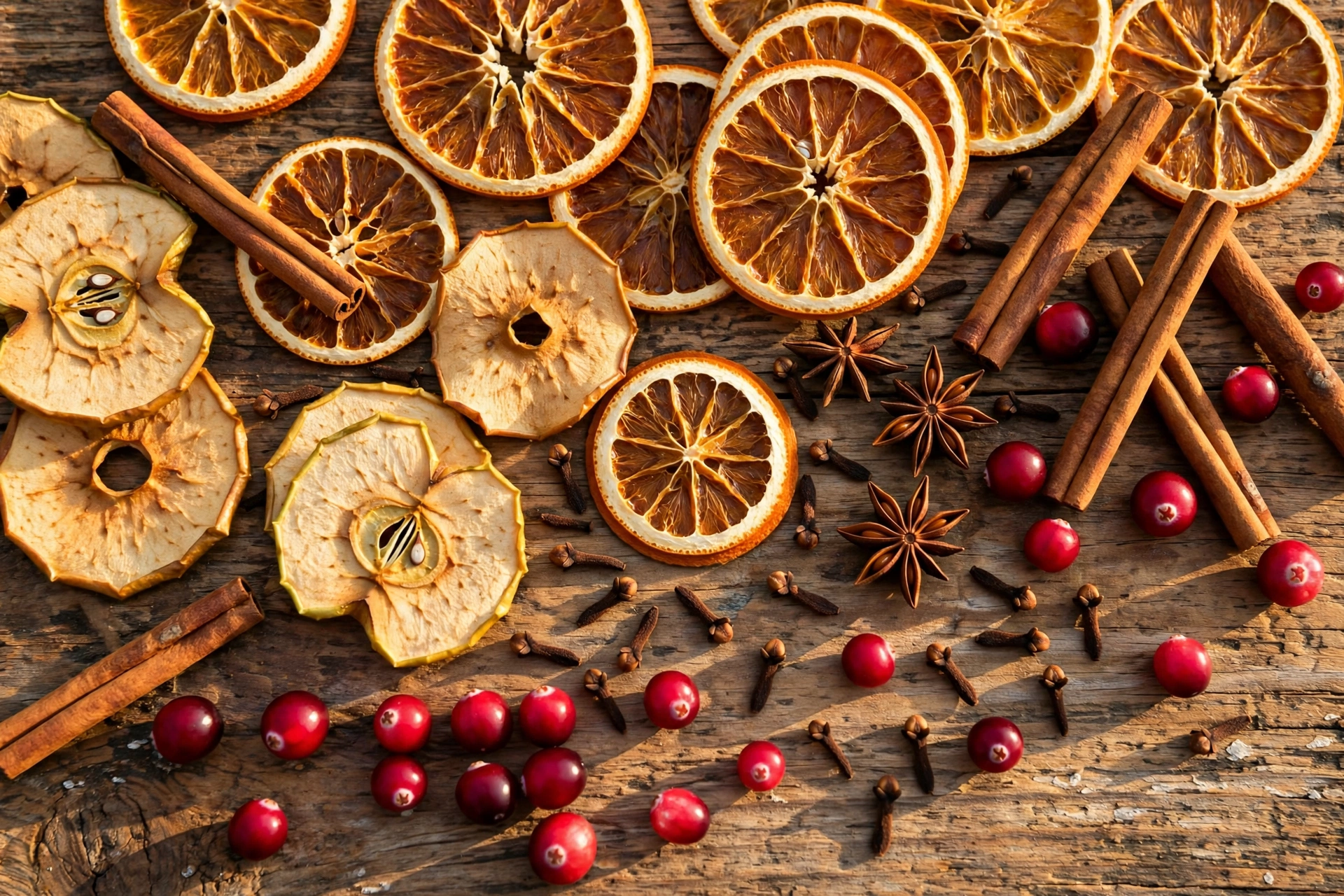
- 1 orange, sliced into rounds about ¼ inch thick (leave the peel on — it holds the fragrant oils)
- 1 apple, cored and sliced or cut into chunks (any variety works; sweeter apples give a softer scent)
- 3 to 4 cinnamon sticks, broken in half so they release more flavor
- 1 tablespoon whole cloves (about 15–20 cloves)
- 3 star anise pods (these add a warm, licorice-like depth)
- ¼ cup fresh cranberries (optional, but they add color and a bright, tart note)
- 1 teaspoon vanilla extract or 1 vanilla bean, split lengthwise (for a soft, creamy background scent)
- 1 small handful of fresh rosemary or 2 bay leaves (optional — adds a green, herbal edge that keeps the blend from smelling too sweet)
- 8 cups of water (about 2 quarts; enough to cover everything by at least 2 inches)
A few notes on choosing your ingredients. Fresh fruit works best because it releases more juice and scent, but dried orange and apple slices work fine too — they are actually a great way to use up dried fruit from last season. Whole spices always beat ground spices here. Ground cinnamon will make your water cloudy and murky and can clog the scent, while whole sticks release their fragrance slowly and steadily. The same goes for cloves: whole cloves give you a clean, warm spice note, while ground cloves turn the pot gritty.
You do not need organic or perfect produce. In fact, simmering pots are the ideal home for the orange that is a little too soft or the apple with a bruise. You are after the peels, juices, and oils, not a pretty plate. Save your grocery budget and use the fruit you already have.
The vanilla is my secret weapon. Just a teaspoon rounds out the whole blend and makes it smell like something is baking, even though nothing is. If you have a real vanilla bean, split it and scrape it into the pot — it looks gorgeous and the scent is unbeatable. Extract works perfectly well too.
What Equipment Do You Need for a Simmering Pot?
The good news: you already own everything you need. A simmering pot is one of the simplest home-fragrance projects there is, and the equipment list is short.
A medium saucepan or stockpot. A 3- to 4-quart pot is ideal — it holds enough water to simmer for hours without constant refilling. Use a pot you do not mind getting a little stained, since cinnamon and cloves can tint light-colored enamel over time.
A slow cooker works too. A small slow cooker on the LOW setting holds a steady, gentle heat for hours with almost no water loss. Fill it, add your ingredients, leave the lid off or ajar, and let it do its thing.
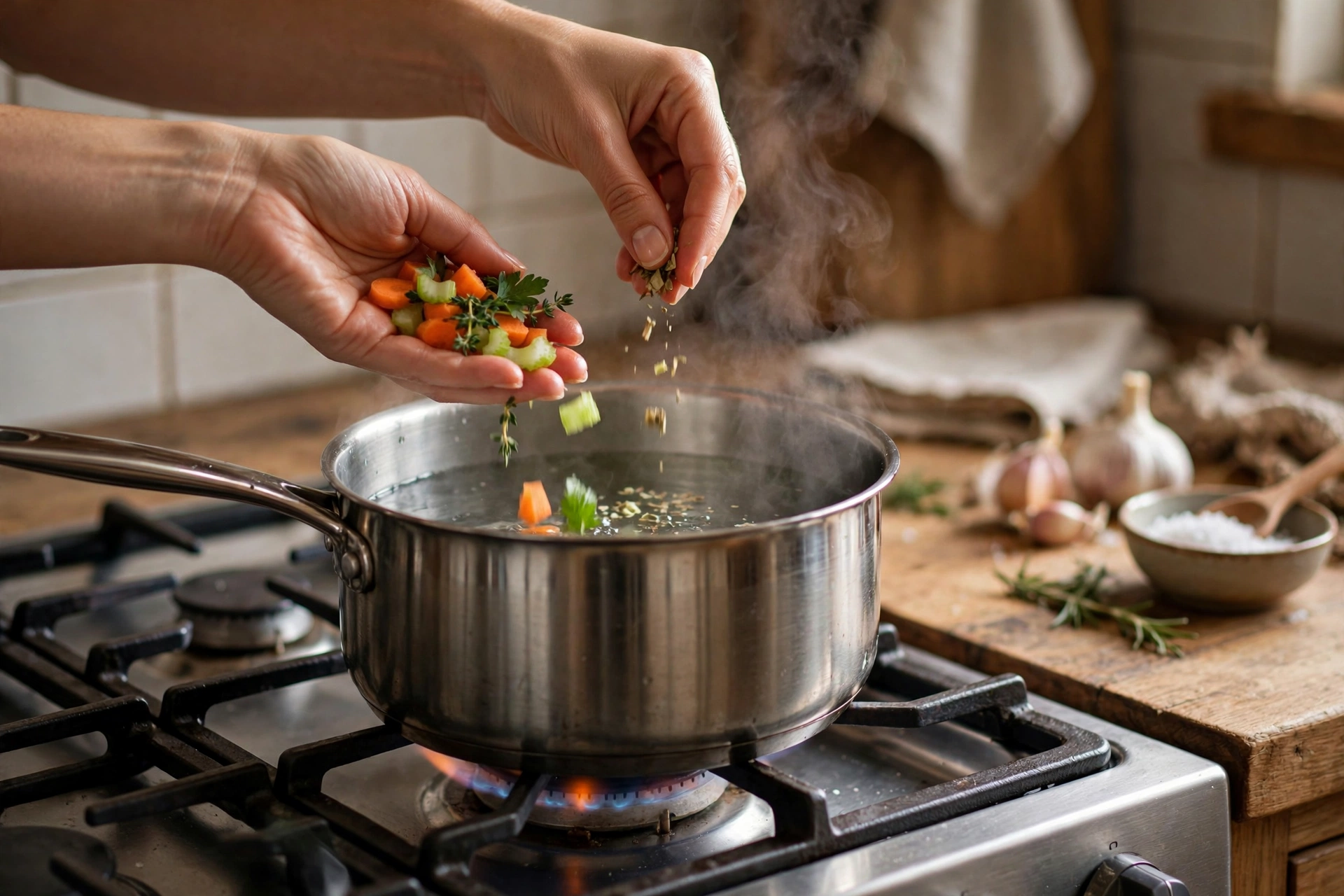
A heat-safe ladle or measuring cup. You will use this to top up the water as it evaporates. Keep a kettle of hot water nearby during long simmers so you can refill without dropping the pot’s temperature.
A wooden spoon. For giving the pot an occasional stir, which refreshes the scent by moving the ingredients around.
A trivet or heat-safe surface. Handy if you want to move the warm pot to the table as a centerpiece after simmering — it keeps giving off a gentle scent as it cools.
That is genuinely it. No special gadgets, no expensive gear. If you have a pot, water, and a stove, you can start your first fall simmering pot in the next ten minutes.
How Do You Make a Fall Simmering Pot Step by Step?
Making a fall simmering pot takes about ten minutes from slicing the fruit to that first wonderful whiff of cinnamon. Here is the exact process I follow every time.
- Slice your fruit. Cut the orange into rounds about ¼ inch thick, leaving the peel on. Core the apple and slice it or cut it into chunks — rustic pieces release their scent just as well.
- Add everything to the pot. Place the fruit slices, broken cinnamon sticks, whole cloves, star anise, cranberries, and rosemary or bay leaves (if using) into your saucepan. Drizzle in the vanilla extract or add the split vanilla bean.
- Cover with water. Pour in about 8 cups of water, enough to cover all the ingredients by at least 2 inches. Starting with plenty of water means you can simmer longer before needing a refill.
- Bring to a gentle boil. Set the pot over medium-high heat and bring it just to a boil, about 5 to 8 minutes. The fruit will soften and the water will take on a golden, amber color.
- Reduce to the lowest simmer. Turn the heat down to the lowest setting that keeps a few lazy bubbles rising. A rolling boil evaporates the water too fast and makes the scent harsh; a bare simmer releases fragrance steadily for hours.
- Let it simmer and enjoy. Leave the pot uncovered so steam escapes into the room. Within 15 to 20 minutes, the scent will drift through your home. Stir gently every hour or so to wake the fragrance back up.
- Top up the water as needed. Check the water level every 45 to 60 minutes. When it has dropped by about a third, add more hot water to bring it back up. Never let the pot boil dry — that scorches the ingredients and ruins the scent (more on this in the mistakes section).
- Turn it off when you leave. When you are done for the day or heading out, turn off the heat and let the pot cool completely. You can refrigerate the whole pot overnight and re-simmer the same blend tomorrow.
What Are the Best Pro Tips for a Long-Lasting Scent?
Anyone can throw fruit in a pot. Getting a simmering pot that fills the whole house with fragrance for hours takes a few small tricks. These are the ones I have learned through years of testing.
Start with hot water for refills. Keep a kettle of hot water on hand and top up with that instead of cold tap water. Cold water drops the pot’s temperature and pauses the scent for ten minutes while it reheats. Hot water keeps the fragrance flowing without interruption.
Smash or bruise your spices. Before the cinnamon sticks go in, snap them in half. Lightly crush the cloves and star anise with the flat side of a knife. Bruising the spices cracks them open and lets their oils escape faster, so the scent builds in minutes instead of an hour.
Toast the spices first for a deeper scent. This one is a game changer. Toss the cinnamon sticks, cloves, and star anise into the dry pot over medium heat for 60 to 90 seconds before adding the water. The heat wakes up the volatile oils and the whole blend smells richer and more complex. You will smell the difference immediately.
Add citrus peels, not just slices. The most fragrant part of an orange is its peel. Twist a few strips of peel over the pot before dropping them in — you will see the oils spray out. Save peels from your morning orange juice and freeze them in a bag so you always have some ready.
Stir every hour. Ingredients settle to the bottom, and the ones on top do most of the scenting. A quick stir redistributes everything and gives you a fresh burst of fragrance each time. Think of it as waking the pot up.
Layer your additions. Delicate ingredients like fresh herbs and vanilla lose their scent faster than hard spices. Add a fresh sprig of rosemary or another splash of vanilla halfway through a long simmer to refresh the top notes without starting over.
Keep the simmer truly low. More heat does not mean more scent — it means faster evaporation and a shorter-lived pot. The lowest steady simmer gives you the longest, most even fragrance. Your pot should barely murmur, not bubble vigorously.
What Are the Most Common Simmering Pot Mistakes?
Simmering pots are forgiving, but a few common slip-ups can turn a cozy fragrance into a burnt, bitter mess. Here are the mistakes I see most often — and how to fix each one.
Mistake 1: Letting the pot boil dry.
When all the water evaporates, the fruit and spices scorch and you get acrid burnt sugar instead of autumn spice. The fix: set a 45-minute timer as a water check reminder and keep a kettle of hot water nearby. If a pot boils dry, soak the pot and start fresh — the burnt batch cannot be saved.
Mistake 2: Simmering at too high a heat.
A rolling boil burns through your water fast and cooks the delicate top notes out of the blend. The fix: drop the heat to the lowest setting that keeps a few gentle bubbles rising. Low and slow wins every time.
Mistake 3: Using ground spices instead of whole.
Ground cinnamon and cloves turn the water muddy and lose fragrance fast. The fix: always use whole cinnamon sticks, whole cloves, and whole star anise — they release scent gradually and keep the water clear.
Mistake 4: Leaving the pot unattended for hours.
A simmering pot is an open heat source — never run it while asleep or out of the house. It is also a pet-safety issue: curious cats can knock a pot off the stove. Only simmer when you are home and awake, and keep pets out of the kitchen while the pot is hot.
Mistake 5: Reusing a blend for too many days.
By day three or four, the fruit breaks down into mush and the scent turns flat. The fix: refrigerate the pot between uses and plan on two to three days per batch. If the water looks cloudy or smells off, compost the contents and start fresh.
Mistake 6: Overloading the pot with too many ingredients.
Cramming in extra fruit and spice does not double the scent — it crowds the water and muddles the fragrance. The fix: stick to the base blend quantities. For a stronger scent, close a door to make the room smaller rather than stuffing the pot.
Fall Simmering Pot Recipe Variations
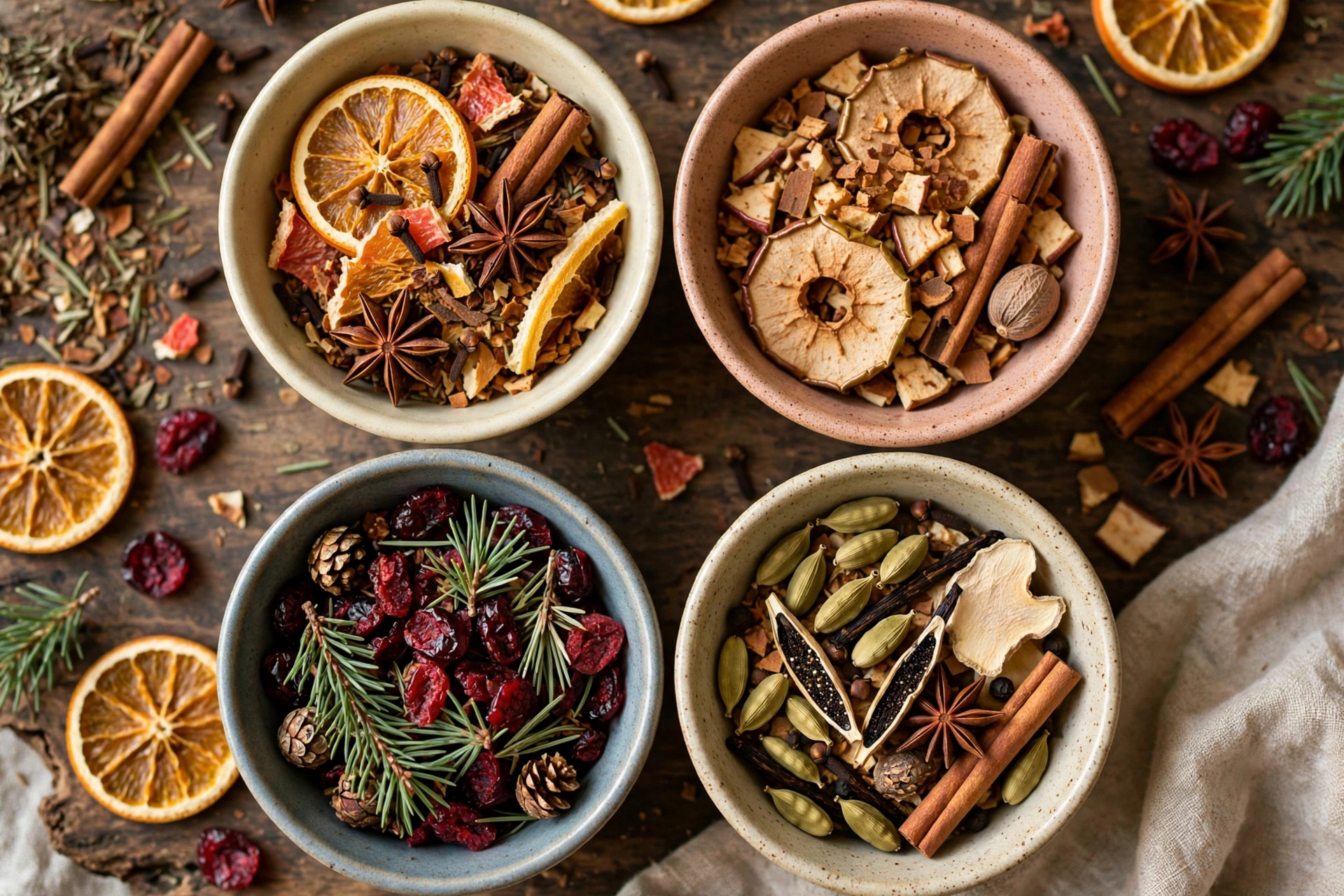
Once you have the base blend down, the fun really starts. These five variations each give you a completely different autumn mood using the same simple method — just swap the ingredients, keep the water level up, and simmer low. Each one fills a 3-quart pot.
Variation 1: Classic Apple Pie Spice Simmer
The coziest of the bunch — it smells like a pie cooling on the windowsill. Use 2 sliced apples, 4 cinnamon sticks, 1 tablespoon whole cloves, 2 star anise, ¼ teaspoon freshly grated nutmeg, and 1 teaspoon vanilla extract. The double apple base gives a sweet, bakery-like warmth with unmistakable pie-spice depth.
Variation 2: Cranberry Orange Pine Simmer
Bright, festive, and a little woodsy. Combine 1 sliced orange, ½ cup fresh cranberries, 3 cinnamon sticks, 1 tablespoon whole cloves, and a 4-inch sprig of fresh pine, fir, or cedar (rinsed well). Keep the simmer extra low so the pine stays fresh and green rather than turning sharp.
Variation 3: Vanilla Chai Simmer
Warm, creamy, and deeply spiced, like your favorite chai latte in fragrance form. Start with 1 sliced orange, 3 cinnamon sticks, 1 tablespoon whole cloves, 4 cracked cardamom pods, 3 star anise, a 1-inch piece of fresh ginger (sliced), and 2 teaspoons vanilla extract. Crush the cardamom pods first so their seeds are exposed; the ginger adds a gentle heat that keeps the vanilla from smelling too sweet.
Variation 4: Citrus Harvest Simmer
The brightest blend — sunshine in a pot for gray autumn days. Use 1 sliced orange, 1 sliced lemon, half a sliced grapefruit, 2 cinnamon sticks, 1 teaspoon whole cloves, 2 star anise, and a few sprigs of fresh thyme. The citrus trio keeps the scent lively and clean, and it is fantastic for cutting cooking odors after a big meal.
Variation 5: Pumpkin Spice Orchard Simmer
Everything people love about pumpkin spice, without a single candle. Combine 1 sliced apple, 1 sliced pear, 3 cinnamon sticks, 1 tablespoon whole cloves, 2 star anise, ¼ teaspoon freshly grated nutmeg, 1 teaspoon vanilla extract, and 1 tablespoon dried orange peel. The pear adds a soft, honeyed note that makes the whole blend smell like an orchard in October.
How Do You Store and Reuse Simmering Pot Ingredients?
One of the best things about fall simmering pot recipes is that a single batch keeps giving. With a little care, your blend will scent your home for two to three days before it needs replacing.
Refrigerate the whole pot between simmers. When you are done for the evening, turn off the heat and let the pot cool to room temperature (this takes about 30 to 45 minutes). Then cover it and put the whole pot in the refrigerator. The cold keeps the fruit fresh and prevents any souring. The next day, set it back on the stove, top up the water, and bring it to a simmer again. The scent comes right back, sometimes even stronger on day two as the ingredients have had more time to infuse.
Know when a batch is finished. Most blends stay wonderful for two to three days of simmering. Signs it is time for a fresh batch: the fruit has turned to mush, the water looks cloudy, the scent has faded even after stirring, or anything smells sour or off. Trust your nose — when the magic is gone, it is gone.
Refresh instead of replacing. On day two or three, you can extend a batch by adding a few fresh ingredients: a new cinnamon stick, a handful of cranberries, a splash of vanilla, or some fresh orange peel. This “top-up” method can stretch a good blend to four days.
Compost the spent ingredients. When the batch is done, the fruit, spices, and herbs can go straight into your compost bin or pile. Everything in the pot is natural and breaks down beautifully. If you do not compost, the contents can go in the trash — just let them cool first. Give the pot a good scrub with hot, soapy water before its next use.
How Do You Set the Scene With a Fall Simmering Pot?
A simmering pot scents your home, but it can also be part of the atmosphere. Here is how to make it the centerpiece of your coziest fall moments.
Welcome guests with the entryway trick. About 30 minutes before guests arrive, start your simmering pot. By the time the doorbell rings, the whole house smells like autumn. It is the olfactory equivalent of a warm hug, and guests always comment on it. The Classic Apple Pie Spice variation is my go-to for gatherings.
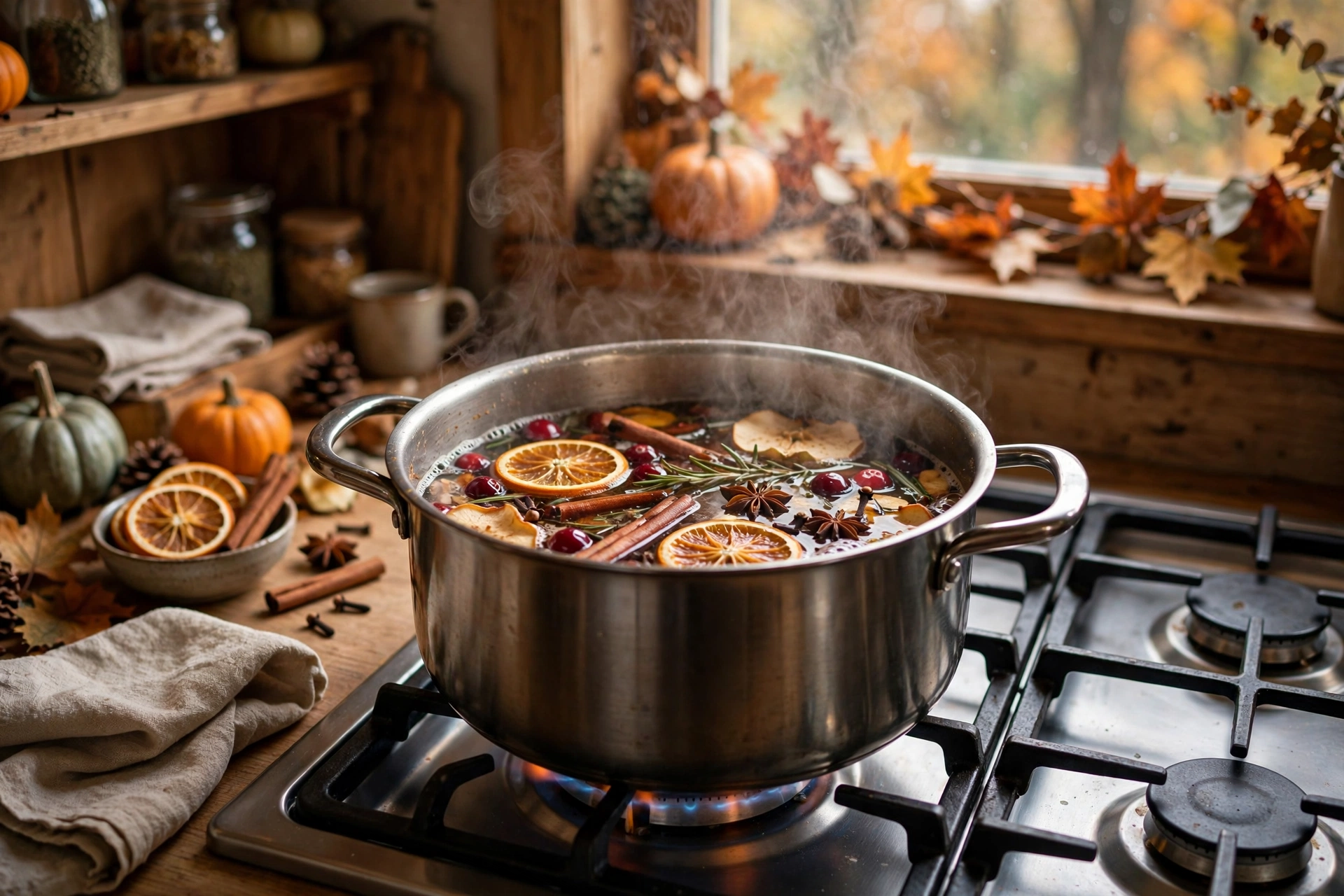
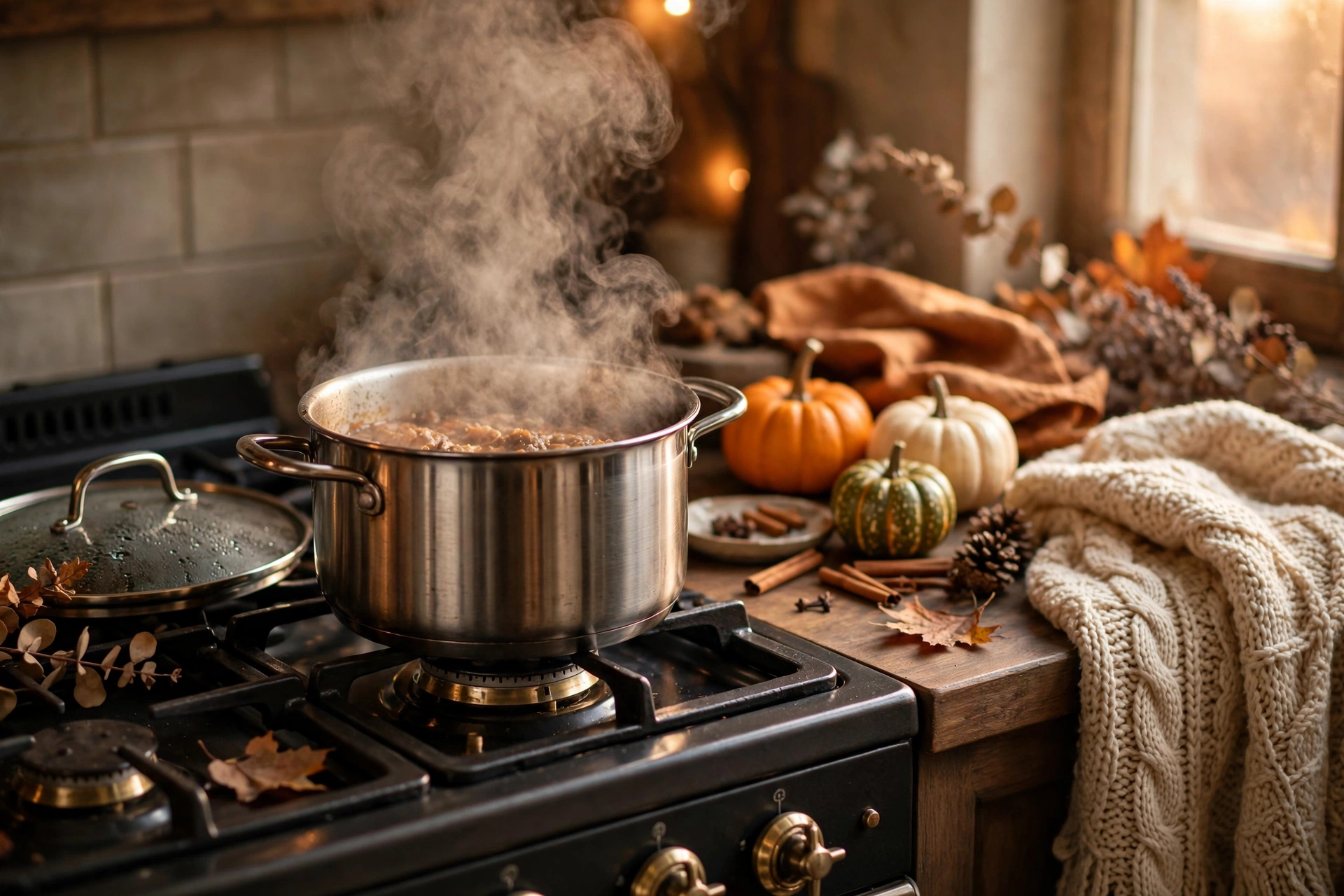
Pair it with your fall decor. Set the simmering pot on the stove with a few small pumpkins, gourds, or a bowl of pinecones nearby on the counter. Drape a knit throw over a kitchen chair, light a few unscented candles for glow (the pot handles the fragrance), and you have an instant autumn vignette. The pot itself is beautiful — amber water, glowing fruit, curls of steam.
Create a slow evening ritual. Pick a night, make a pot of the Vanilla Chai blend, put on a soft playlist, and let the evening unfold. Read, bake, or just sit. There is something about tending a simmering pot — the occasional stir, the rising steam — that forces you to slow down. It turns an ordinary weeknight into a small ceremony.
Use it for seasonal transitions. Start a simmering pot on the first truly cold day of the season, when you switch the closets over or put out the heavier blankets. Scent is powerfully tied to memory, and linking that first crisp day with cinnamon and orange builds an autumn association you will look forward to every year.
Fall Simmering Pot Recipes FAQs
Can you drink or eat anything from a simmering pot?
No. A simmering pot is for fragrance only — nothing in it is meant to be eaten or drunk. Enjoy the scent, and compost the contents when you are done.
How long can you leave a simmering pot on the stove?
Simmer as long as you are home and awake, topping up the water as needed. Never leave it unattended, and always turn it off when you leave the house or go to sleep.
How often should you add water to a simmering pot?
Check every 45 to 60 minutes and top up with hot water when the level has dropped by about a third. Never let the pot boil dry.
Can you use a slow cooker instead of the stove?
Absolutely. A slow cooker on LOW, with the lid off or ajar, is one of the best tools for simmering pots — safer and more hands-off than the stovetop.
How many days can you reuse the same simmering pot blend?
Two to three days is the sweet spot. Refrigerate the covered pot between uses. Discard the batch when the fruit turns mushy or the scent fades.
Are simmering pots safe around pets?
Use caution. Hot water and steam can burn a curious pet, and the pot should never sit where a pet could knock it over. Keep pets out of the kitchen while it simmers, and skip added essential oils if you have cats.
Why does my simmering pot not smell strong enough?
Usual culprits: heat set too high, stale spices, or too little citrus peel. Try toasting whole spices before adding water, twisting peels over the pot to release their oils, and keeping the simmer low.
Can you make a simmering pot without fresh fruit?
Yes. Dried orange and apple slices work wonderfully, and frozen cranberries go straight from freezer to pot. Add an extra cinnamon stick to round out the scent.
What is the best simmering pot blend for a party?
The Classic Apple Pie Spice variation — warm, sweet, and universally loved. Start it 30 minutes before guests arrive so the scent fills the house.
Do simmering pots help with dry autumn air?
A little. The steaming water adds a touch of humidity, which can make dry heated air feel more comfortable. It is a pleasant bonus, not a humidifier replacement.
Final Thoughts
Fall simmering pot recipes are simple, cheap, natural, and genuinely delightful all at once. For the cost of an orange, an apple, and a few spices, you can fill your home with the scent of the season for days — just water, heat, and ingredients you already understand.
Start with the base blend, get a feel for the rhythm of topping up the water and keeping the simmer low, and then play. Try the Vanilla Chai on a quiet evening. Make the Cranberry Orange Pine when the holidays creep closer. Gift a jar of dried ingredients to a friend and spread the ritual around.
Your home should smell like the life you want to live in it. This fall, let it smell like cinnamon, orange, and apple — like warmth, welcome, and the very best of the season.
While the pot fills your kitchen with cinnamon and clove, set out a bowl of pumpkin fluff for snacking — it takes five minutes and tastes like fall in dessert form. For something a little more indulgent, our caramel apple bark is the perfect sweet companion to a cozy simmering-pot evening.