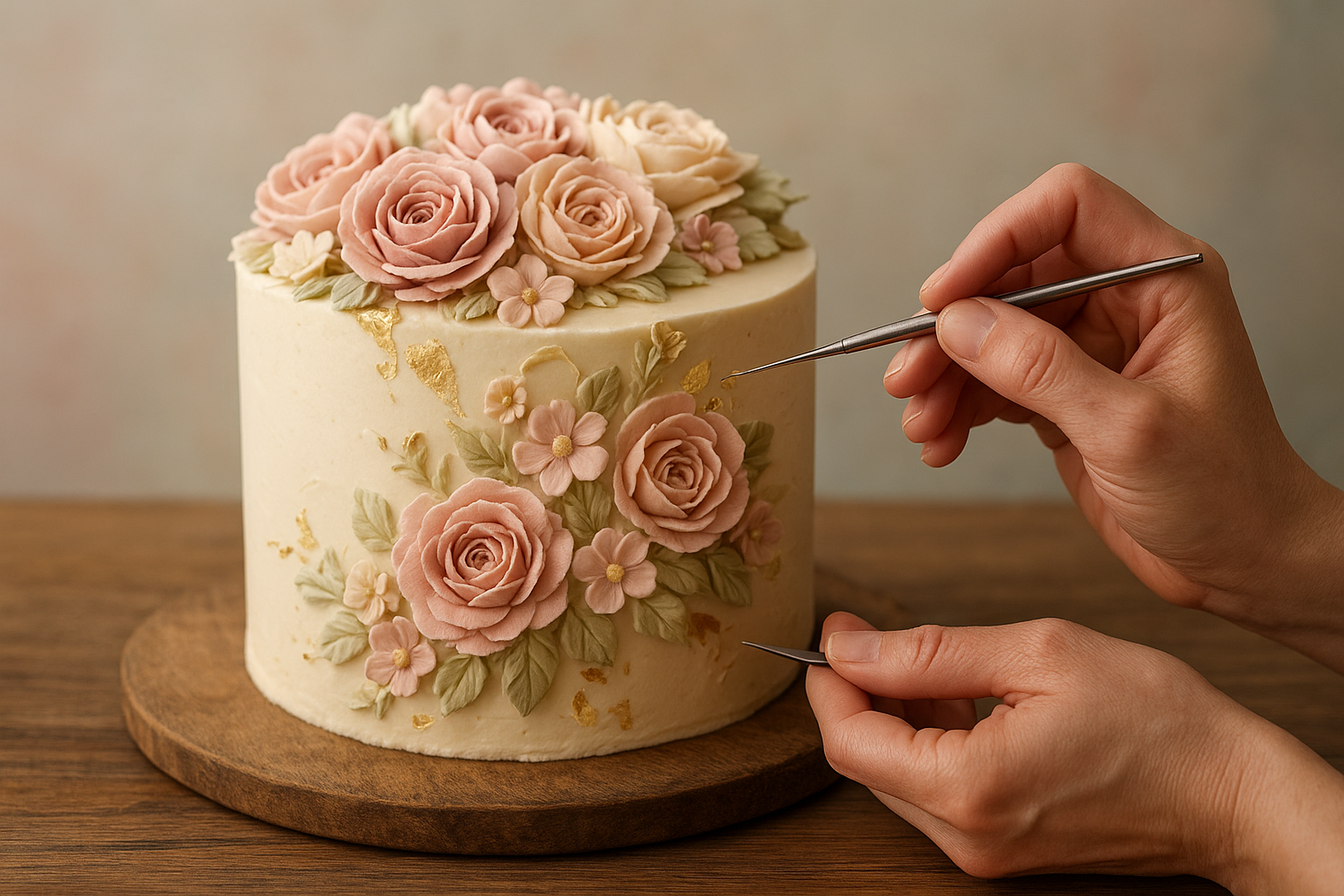
🎂 Artistic Cake Decorating: A Complete 2,000-Word Guide to Crafting Cakes That Look Like Art
Cake decorating isn’t just a baking skill—it’s a modern art form. From sculpted buttercream flowers to hand-painted fondant masterpieces, artistic cake decorating transforms simple cakes into edible works of art. Whether you’re a home baker, a small business owner, or simply someone who loves creating beautiful sweets, mastering this skill can elevate your creations to a professional level.
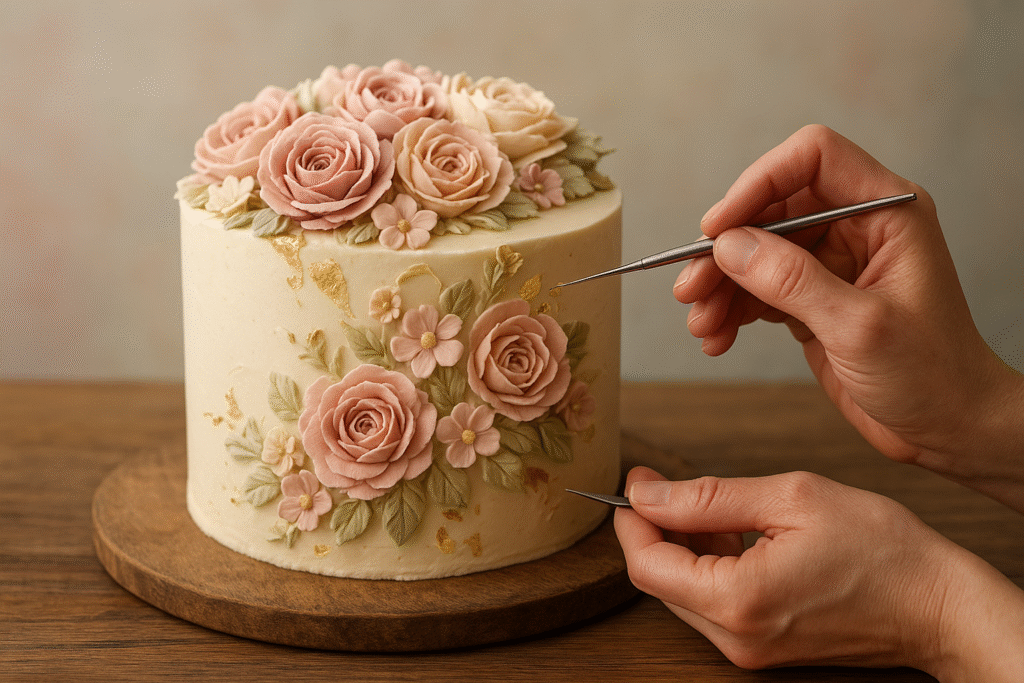
This comprehensive guide covers everything you need to craft stunning cakes—from essential tools and techniques to color theory, texture, trending designs, and advanced artistry. By the end, you’ll feel inspired and equipped to create cakes worthy of a bakery storefront or a viral Pinterest board.
🎨 What Is Artistic Cake Decorating?
Artistic cake decorating goes beyond traditional frosting and piping. It combines:
- Design principles (shape, balance, texture, color)
- Artistic techniques (painting, sculpting, modeling)
- Baking fundamentals (structure, crumb, layering)
- Creative expression (theme selection, style, visual storytelling)
The goal is to create a cake that not only tastes delicious but also looks like a piece of art—something memorable, meaningful, and uniquely expressive.
Some bakers specialize in hyper-realistic designs (like sugar flowers or sculpted characters), while others love abstract patterns, modern minimalism, vintage lacework, or whimsical kid-friendly cakes. The beauty of artistic cake decorating is that there’s no wrong direction—just creativity and practice.
🧰 Essential Tools for Artistic Cake Decorating
Before diving into techniques, you need the right tools. Here are the must-haves:
1. Turntable
A smooth-turning turntable helps you frost and decorate with precision.
2. Offset Spatulas
Used for smoothing buttercream and spreading fillings.
3. Bench Scraper
Key for achieving perfect sides and sharp edges.
4. Piping Bags & Tips
Essential for:
- Flowers
- Borders
- Writing
- Textures
Invest in tips like Wilton 1M, 2D, and various petal tips.
5. Fondant Smoother
Helps achieve flat, flawless fondant coverage.
6. Edible Paints & Brushes
Used for watercolor cakes, painted florals, and abstract art.
7. Modeling Tools
For shaping fondant, gum paste, and sugar decorations.
8. Silicone Molds
Perfect for textured fondant and intricate edible details.
9. Food Coloring
Gel colors are preferred for their vibrancy and consistency.
10. Texture Mats & Stamps
Popular for modern designs like terrazzo, cement, lace, and boho patterns.
🍰 Foundational Techniques Every Cake Artist Should Master
While artistic decorating involves creativity, there are core techniques you’ll rely on for almost every cake.
1. Crumb Coating
A thin layer of frosting seals in crumbs before the final coat.
2. Sharp Edges
Using a turntable and bench scraper, you can achieve:
- Crisp corners
- Smooth buttercream walls
- Modern, minimalist finishes
3. Fondant Covering
A flawless fondant surface requires smoothing, lifting properly, and avoiding cracks or bubbles.
4. Piping Basics
Learn:
- Rosettes
- Shell borders
- Ruffles
- Ribbons
- Writing
5. Buttercream Textures
Artistic textures include:
- Rustic lines
- Ombré fading
- Palette-knife strokes
- Stucco patterns
- Abstract art
6. Color Blending
Mixing tones creates depth and visual appeal—similar to painting on canvas.
🌈 Understanding Color Theory in Cake Decorating
Color can make or break your design. Here’s how to use it like an artist:
1. Monochrome
One color in various shades = modern, elegant, and safe for beginners.
2. Complementary Colors
Opposites on the color wheel (e.g., blue & orange, red & green) add drama.
3. Pastel Palettes
Soft and dreamy—great for weddings, baby showers, and birthdays.
4. Bold Jewel Tones
Rich ruby, emerald, and sapphire shades create luxurious designs.
5. Metallic Accents
Use edible gold, silver, or bronze to elevate any cake instantly.
🌺 Decorating With Sugar Flowers & Fondant Art
Flowers are a timeless staple in artistic cake decorating. Options include:
Buttercream Flowers
- Soft, dreamy, romantic
- Best for rustic or vintage cakes
Fondant Flowers
- Clean, polished, modern
- Long-lasting
Gum Paste Flowers
- Ultra-realistic
- Professional-level artistry
Popular flower types:
- Peonies
- Roses
- Chrysanthemums
- Orchids
- Sunflowers
- Ranunculus
🎨 Painting on Cakes: Edible Art Techniques
Painting directly on buttercream or fondant turns a cake into a canvas. You can create:
- Abstract watercolor patterns
- Delicate florals
- Landscapes
- Cartoon scenes
- Modern brushstroke art
- Geometric designs
Use:
- Edible gel paints
- Cocoa butter paints
- Food dusts mixed with alcohol
This technique is perfect for bakers who love fine art.
🧁 Popular Artistic Cake Decorating Styles (2025 Trends)
Here are the top trending artistic decorating styles:
1. Modern Minimalist Cakes
Clean lines, neutral palettes, and structured designs.
2. Palette-Knife Painted Cakes
Thick, textured strokes that resemble oil paintings.
3. Layered Sculptural Cakes
Cascading textures, edible sculptures, and architectural details.
4. Vintage Lambeth Piping
Ornate, frilly, retro piping making a huge comeback.
5. Boho Cakes
Dried flowers, pampas grass (edible versions!), earthy hues.
6. Drip Cakes
Metallic drips, chocolate drips, or glazed mirror drips.
7. Hyper-Realistic Cakes
Cakes that look like everyday objects (purse, sneakers, fruit, etc.)
8. Cartoon/Comic Cakes
Outlined decorations with bold black lines for a 2D illusion.
🍥 Beginner Artistic Cake Decorating Projects
If you’re new, start with manageable designs that teach core techniques:
✔️ Simple Ombré Buttercream Cake
Learn color blending and smoothing.
✔️ Rosette Cake
Uses only one piping tip but looks stunning.
✔️ Watercolor Cake
Lets you practice edible painting without perfection.
✔️ Semi-Naked Cake
Perfect for rustic lovers and easy for beginners.
✔️ Chocolate Drip Cake
Great practice for controlled movement and symmetry.
🌟 Advanced Artistic Cake Designs
If you’re ready to level up your artistry:
⭐ Hand-Painted Floral Cake
Requires brush control and color blending.
⭐ Sculpted 3D Character Cake
Carving cake structure and shaping fondant.
⭐ Sugar Flower Bouquet Cake
Replicates real flowers with realistic petals.
⭐ Multi-Tier Luxury Wedding Cake
Includes symmetry, stability, and detailed decorations.
💼 Turning Artistic Cake Decorating Into a Business
If you want to profit from your baking skills, here’s how to get started.
1. Build a Portfolio
Post:
- Carousel photos
- Before & after shots
- Time-lapse videos
Pinterest, Instagram, and TikTok are ideal.
2. Offer Signature Designs
Examples:
- Pallet-knife florals
- Painted cakes
- Modern textured cakes
3. Pricing Your Work
Charge for:
- Time
- Skill level
- Materials
- Custom design complexity
4. Upsell Add-Ons
- Sugar toppers
- Edible gold
- Extra tiers
- Dessert tables
🎁 Final Tips for Becoming a Cake Artist
- Practice piping daily (even on parchment paper).
- Study color palettes and save inspiration boards.
- Try new textures and techniques regularly.
- Don’t compare—style develops over time.
- Invest in quality tools rather than many cheap ones.
Cake decorating is a journey. The more you create, the more artistic your designs will become.
🌟 Conclusion
Artistic cake decorating is one of the most rewarding creative skills. It blends baking, craft, and fine art into a beautiful, edible masterpiece. With the right techniques, tools, and creativity, anyone can learn to design cakes that are visually stunning and emotionally meaningful.
Whether you’re decorating for fun, for family, or building a cake business, your artistry is what makes each cake unforgettable. Keep practicing, experimenting, and expressing your style—because your next cake might just be your best.