
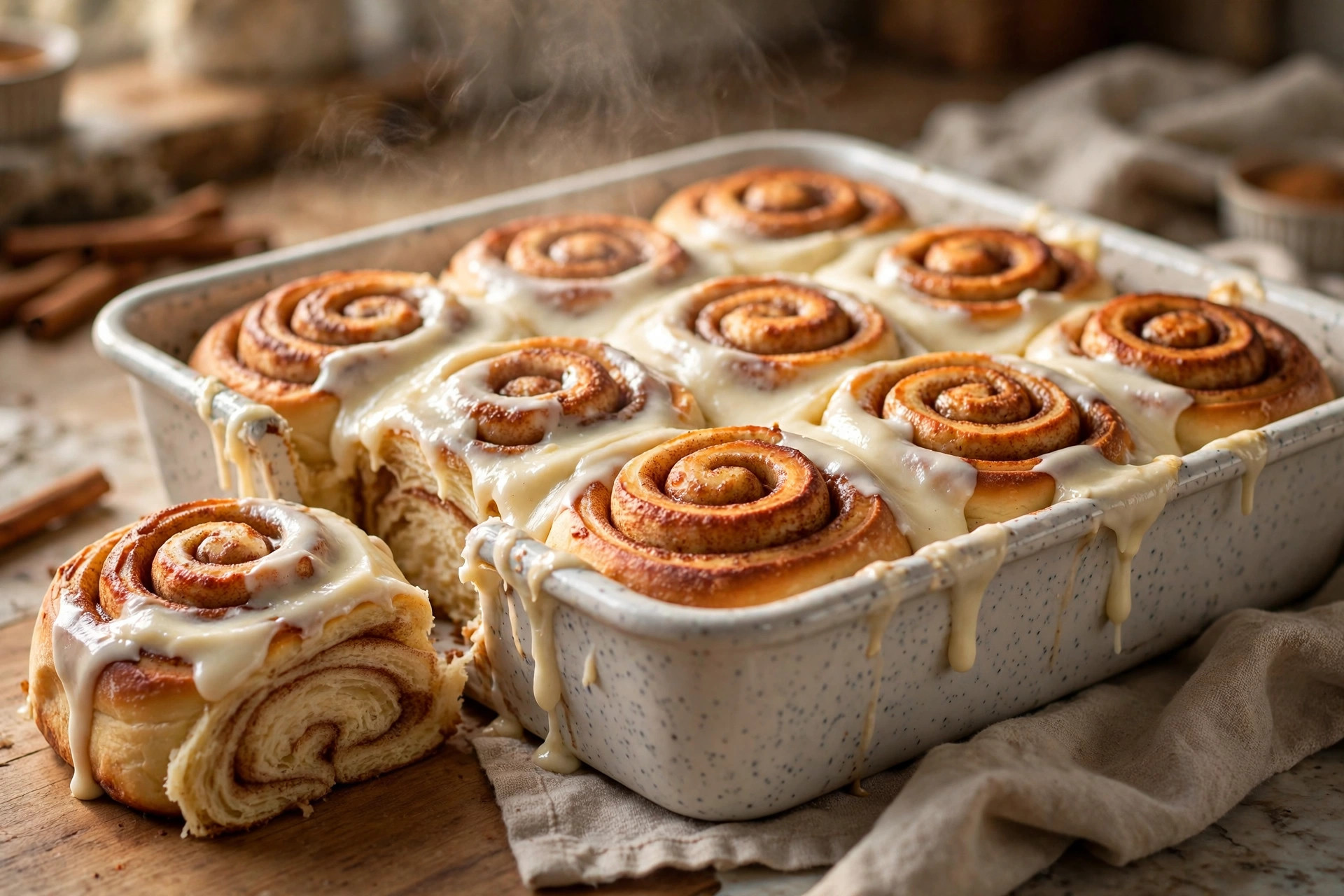
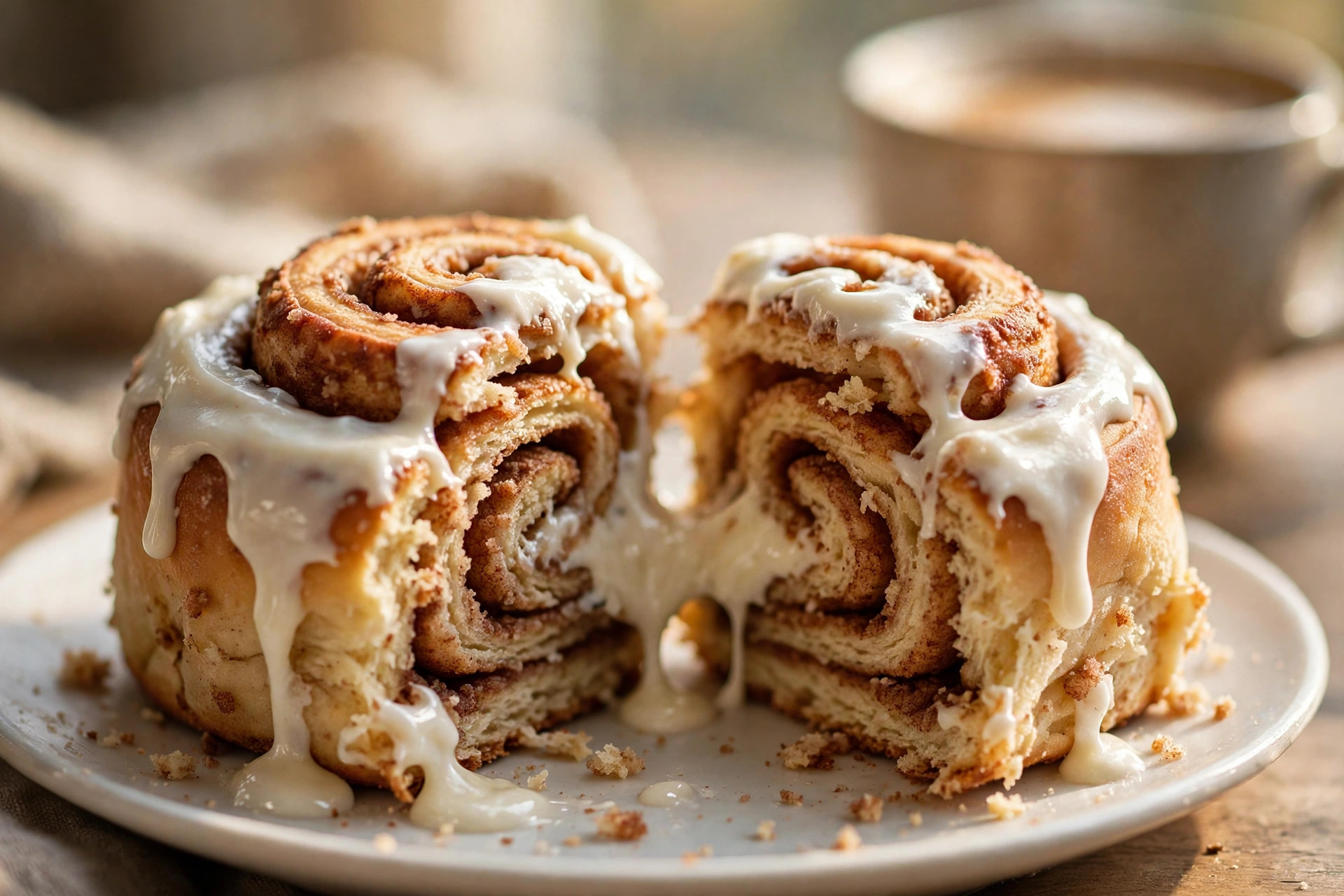
Nothing compares to the comforting aroma of freshly baked old fashioned cinnamon rolls filling your kitchen. These homemade rolls are incredibly soft, buttery, and packed with a sweet cinnamon-sugar filling that melts into every layer. Finished with a smooth cream cheese frosting, they’re the perfect breakfast treat, weekend brunch favorite, or holiday morning tradition.
Unlike store-bought versions, these classic cinnamon rolls are made completely from scratch using simple pantry ingredients. Although they require a little time for the dough to rise, the process is surprisingly easy and well worth the effort.
Whether you’re baking for your family, preparing a special brunch, or simply craving a warm homemade pastry, this recipe delivers bakery-quality cinnamon rolls every single time.

Why You’ll Love This Recipe
- Soft and fluffy homemade dough
- Rich buttery cinnamon filling
- Thick cream cheese frosting
- Easy step-by-step instructions
- Perfect for beginners
- Great for holidays and weekend breakfasts
- Freezer-friendly
- Better than bakery cinnamon rolls
Ingredients
For the Dough
- 1 cup warm whole milk (110°F)
- 2¼ teaspoons active dry yeast
- ¼ cup granulated sugar
- 2 large eggs
- ⅓ cup unsalted butter, melted
- 1 teaspoon salt
- 4½ cups all-purpose flour
For the Cinnamon Filling
- ½ cup softened butter
- 1 cup brown sugar
- 2 tablespoons ground cinnamon
- ½ teaspoon nutmeg (optional)
For the Cream Cheese Frosting
- 8 ounces cream cheese, softened
- ¼ cup unsalted butter, softened
- 2 cups powdered sugar
- 1 teaspoon vanilla extract
- 2 tablespoons milk
Kitchen Equipment
- Large mixing bowl
- Measuring cups
- Measuring spoons
- Rolling pin
- Stand mixer (optional)
- 9×13-inch baking pan
- Sharp knife or dental floss
- Cooling rack

How to Make Old Fashioned Cinnamon Rolls
Step 1: Activate the Yeast
Pour the warm milk into a large mixing bowl. Stir in the sugar, then sprinkle the yeast over the milk. Let it sit for 5–10 minutes until it becomes foamy. This indicates the yeast is active and ready to use.
Step 2: Make the Dough
Add the melted butter, eggs, and salt to the yeast mixture. Mix well.
Gradually add the flour one cup at a time until a soft dough forms.
Knead the dough for about 8–10 minutes by hand, or 5–6 minutes using a stand mixer with a dough hook. The dough should be smooth, elastic, and only slightly sticky.
Step 3: First Rise
Place the dough in a lightly greased bowl.
Cover with a clean towel or plastic wrap.
Allow it to rise in a warm place for about 1 to 1½ hours, or until doubled in size.
Step 4: Prepare the Filling
In a small bowl, combine the brown sugar and cinnamon.
Set aside.
Step 5: Roll Out the Dough
Punch down the risen dough and transfer it to a lightly floured surface.
Roll it into a rectangle about 18×12 inches.
Spread the softened butter evenly over the dough.
Sprinkle the cinnamon sugar mixture evenly across the butter.
Step 6: Roll and Slice
Starting from the long edge, tightly roll the dough into a log.
Slice into 12 equal rolls using a sharp knife or unflavored dental floss.
Arrange them in a greased 9×13-inch baking dish.
Step 7: Second Rise
Cover the pan loosely.
Allow the cinnamon rolls to rise again for about 30–45 minutes until puffy.
Step 8: Bake
Preheat your oven to 350°F (175°C).
Bake for 22–28 minutes or until the tops are lightly golden brown.
Avoid overbaking to keep the rolls soft and tender.
Step 9: Make the Frosting
Beat together the softened cream cheese and butter until smooth.
Add the powdered sugar, vanilla extract, and milk.
Mix until creamy and spreadable.
Step 10: Frost and Serve
Spread the frosting over the warm cinnamon rolls.
Allow it to melt slightly into the rolls before serving.
Enjoy warm with coffee, tea, or a glass of milk.

Frequently Asked Questions (FAQs)
1. Can I make these cinnamon rolls ahead of time?
Yes. Prepare the rolls through the second rise, cover them tightly, and refrigerate overnight. Let them sit at room temperature for 30–45 minutes before baking the next morning.
2. How do I keep cinnamon rolls soft?
Avoid adding too much flour and don’t overbake them. Store them in an airtight container to help retain moisture.
3. Can I freeze homemade cinnamon rolls?
Absolutely. Freeze baked or unbaked rolls for up to 3 months. Thaw overnight in the refrigerator before reheating or baking.
4. What is the best frosting for cinnamon rolls?
Cream cheese frosting is the classic choice because its tangy flavor perfectly balances the sweet cinnamon filling. You can also use a simple vanilla glaze if you prefer.
5. Why didn’t my cinnamon rolls rise?
Your yeast may have been expired, or the milk may have been too hot or too cold. Always use fresh yeast and warm milk around 105–110°F (40–43°C).
6. Can I use instant yeast instead of active dry yeast?
Yes. Instant yeast can be mixed directly with the dry ingredients and usually shortens the rising time slightly.
7. How do I know when the cinnamon rolls are fully baked?
The tops should be lightly golden brown, and the center should reach an internal temperature of about 190°F (88°C).
8. How long do homemade cinnamon rolls stay fresh?
They stay fresh for up to 3 days at room temperature in an airtight container or up to 5 days when refrigerated.
9. Can I add nuts or raisins?
Yes. Chopped pecans, walnuts, or raisins make delicious additions to the cinnamon-sugar filling.
10. Can I make this recipe without cream cheese frosting?
Definitely. A simple powdered sugar glaze made with mil
k and vanilla extract is a great alternative.
11. Can I make cinnamon rolls without a stand mixer?
Yes — the dough comes together easily by hand with a wooden spoon and about 8–10 minutes of kneading on a floured counter. It is a good arm workout, but the dough is soft and forgiving, so it is very doable.
12. Why did my filling leak out during baking?
A little leaking is normal and tastes delicious once caramelized. A lot of leaking usually means the log was rolled too loosely or the seam was not pinched shut. Roll snugly from the long edge and press the seam firmly closed before slicing.
13. What else can I bake with leftover cinnamon-sugar filling?
Do not throw it out — sprinkle it over buttered toast, swirl it into muffin batter, or use it as the topping for this cinnamon roll pumpkin bread. It also makes a great filling for a sweet cinnamon focaccia if you have dough to spare.
Recipe Notes
- Use room-temperature eggs and butter for the best dough texture.
- Measure flour correctly by spooning it into the measuring cup and leveling it off.
- Let the dough rise in a warm, draft-free place for the best results.
- Do not overbake, as this can make the rolls dry.
- Frost the rolls while they are still warm so the frosting melts into every layer.
How Do You Get Gooey Cinnamon Rolls Instead of Dry Ones?
Gooey centers come down to three things: enough fat in the filling, a tight roll, and pulling the pan before the tops brown too much. Spread the softened butter all the way to the edges of the dough — bare spots bake up dry and papery. Use the full cup of brown sugar; it melts into the butter as the rolls bake and creates that sticky, caramel-like layer between the swirls.
Roll the log snugly from the long edge and pinch the seam closed so the filling cannot leak out into the pan. When you slice, unflavored dental floss gives cleaner cuts than a knife, which tends to squash the spiral. Bake until the tops are just lightly golden and the center of the middle roll reads about 190°F — that last part matters, because the outer rolls always look done before the center catches up. If the tops brown too fast, tent the pan loosely with foil for the last 5 minutes.
One more trick worth trying: pour two or three tablespoons of warm heavy cream over the rolls right before they go into the oven. It soaks into the dough as it bakes and is the closest thing to a guarantee of soft, gooey rolls. For more topping ideas once they are out of the oven, see these cinnamon roll icing variations beyond the classic cream cheese frosting.
What Do You Do When Cinnamon Rolls Go Wrong?
Dense, heavy rolls almost always mean the dough was under-proofed or over-floured. Let the first rise go until the dough has genuinely doubled — not just until the timer says so — and measure flour by spooning it into the cup and leveling it off instead of scooping from the bag.
Filling leaking out the bottom happens when the roll is too loose or the pan is overcrowded with too little space between rolls. Roll tightly, leave the rolls just touching in the pan, and do not stress about a little caramelized sugar on the pan — that part tastes great.
Tough or dry rolls the next day are usually a storage problem, not a baking problem. Cool them completely, then seal them airtight while they are still slightly warm. Reheat individual rolls for 20–30 seconds in the microwave with a damp paper towel over the top and they come back surprisingly close to fresh.
How Do You Plan Cinnamon Rolls for Christmas Morning?
Cinnamon rolls are a classic holiday-morning bake because almost all the work happens the night before. Assemble the rolls through the second rise in the evening, cover the pan tightly with plastic wrap, and refrigerate overnight. In the morning, let the pan sit at room temperature for 30–45 minutes while the oven preheats, then bake as usual — warm rolls with almost no morning effort.
If an overnight yeast dough feels like too much on a busy holiday week, these super easy cinnamon rolls are a faster alternative with the same cozy payoff. Either way, put the coffee on early: a warm cinnamon roll latte next to a plate of these rolls is about as good as a holiday morning gets.
Storage Instructions
- Room Temperature: Store in an airtight container for up to 3 days.
- Refrigerator: Keep refrigerated for up to 5 days.
- Freezer: Freeze for up to 3 months in a freezer-safe container or wrapped tightly in plastic wrap and foil.
Reheating Instructions
- Microwave: Heat individual rolls for 20–30 seconds.
- Oven: Cover with foil and warm at 300°F (150°C) for about 10 minutes.
Recipe Disclaimer
Disclaimer: Nutritional information provided for this recipe is an estimate only and may vary depending on the brands of ingredients used, substitutions, portion sizes, and cooking methods. This recipe is intended for informational purposes only and should not replace professional dietary or medical advice. Always check ingredient labels for allergens and adjust the recipe to meet your dietary needs.